Showing posts sorted by relevance for query eat locally. Sort by date Show all posts

Friday, November 13, 2009

The Dinner Diaries

I recently read Betsy Block's wonderfully entertaining book The Dinner Diaries:Raising Whole Wheat Kids in a White Bread World. Although I was initially drawn to the book because I had heard that it was a funny food memoir, I found it to be a much more useful book than I had imagined.  Yes--it is charming and warm--but it also engages food politics on many levels and will make readers think more seriously about the ramifications of our decisions about eating.

Block writes the book as a memoir of her own personal quest to improve her family's diet.  She lets us know her struggles and her families, and she allows us to celebrate with her.  This narrative style allows the author to pass along a great deal of information without it ever seeming the least bit moralizing or preachy.

Block introduces her readers to all sorts of food issues.  Should we cut down and/or elminate meat?  Should we remove dairy from our diets?  What should we do about sugar?  How can we handle our own uncertainties about the answers in the face of social/community resistance to change?

My favorite section is her discussion of fish.  While eating more fish is initially on her list of things to do to improve her family's diet, she then learns more about the mercury content of most fish as well as other pollution issues.  She then discusses overfishing and endangered varietes.  Block winds up with an effort to find sustainably-raised local fish.  It is a tying together of many of the concerns raised throughout the book.
 
The book is not without its problems.

Block tells an absolutely wonderful story about Gandhi--one I had never heard before.  When a mother brought her young sugar-obsessed son to the master in order to have Gadhi himself correct his eating habbits.  Gandhi told the family to come back again in three weeks.  When they did, he told the boy simply not to eat sugar.  When the frustrated mother asked why he couldn't have just told her son those same words three weeks before, Gandhi responded: "Because three weeks ago, I was still eating sugar."

I love this story with its message that we need to live up to all we expect our children to be.  But what Block says after this story is that while it is important that we be role models, her chosen way is to eat candy (fair-trade chocolate) with her husband after the children are in bed.  Her reasoning?  "We're the parents here" and "some things in life should be adult only."  In other words, she chooses to be a good role model to her children's faces but not a good role model after dark.  As she says, "We'd rather lie than argue."  I'm not sure Gandhi would approve.

There are a few other places where I disagree with Block.  For example, I do not believe that our vitamins should be coming from either pills or foods "fortified" with added chemicals.  Real food grown in real soil seems like a better answer for our health as well as for our planet.

I was also a bit irked by the often-contrived efforts to make nutritional advice seem to be riddled with contradiction and conflict.  She paints the nutritionists and the locavores are actively working at cross purposes.  As she writes early on, the two groups are in opposite corners of a boxing ring and what the first group says are fighting words.  For example, the locavores are "telling us to eat locally and in season,, which obviously rules out most of what the nutritionists advised"--which is to eat less meat and more whole grains, fruits, and vegetables.  The Ethical Eaters are in another corner altogether.  While this portrayal of people at odds makes for a great story, it just doesn't work like that very often.  Yes, sometimes you have to choose between a sprayed apple from down the road and an organic one from China.  But that doesn't mean the basic ideas are not in harmony.

Despite these reservations,  The Dinner Diaries is both an entertaining and informative read.  Check it out!

Friday, January 02, 2009

Eating Local on the Road


I've not been posting much recently about our efforts to eat locally, but that does not mean we haven't been doing it! At home, much of our diet is sourced locally--so much that we sometimes take it for granted. Quite often, we realize half way through a meal that all ingredients other than salt and pepper are local.

On the road, however, it is a little more difficult. Our two week vacation to visit our families has had a few local moments--including one of my favorite annual traditions: roasted oysters, gathered and prepared in coastal South Carolina where my parents are from. Delicious!

Saturday, July 01, 2006

The Ravenous Raven: One Local Summer

In this house, we've been talking about the Eat Local Challenge ever since we discovered it just as it was ending last August. We were disappointed to discover at the last minute that Locavores decided to have this year's challenge to May in order to provide a new challenge to participants. Since we did not participate last year and were not prepared to do it this May, we've decided that August will be our own personal Eat Local month.

As we were exploring online resources about the Eat Local Challenge, we came across this proposal by Liz at Pocket Farm: One Local Summer. She asks participants to "make one dinner entirely out of local foods during each of the twelve weeks of summer" and report on that meal on their blogs.

Our CSA is not active this week due to the holiday. Therefore, we went shopping at our local food coop. We had a ball scouring the aisles and seeing all the new "locally grown" and "locally made" signs sprouting up around the store. After we came home, we had a lovely evening preparing our dinner.

The menu:

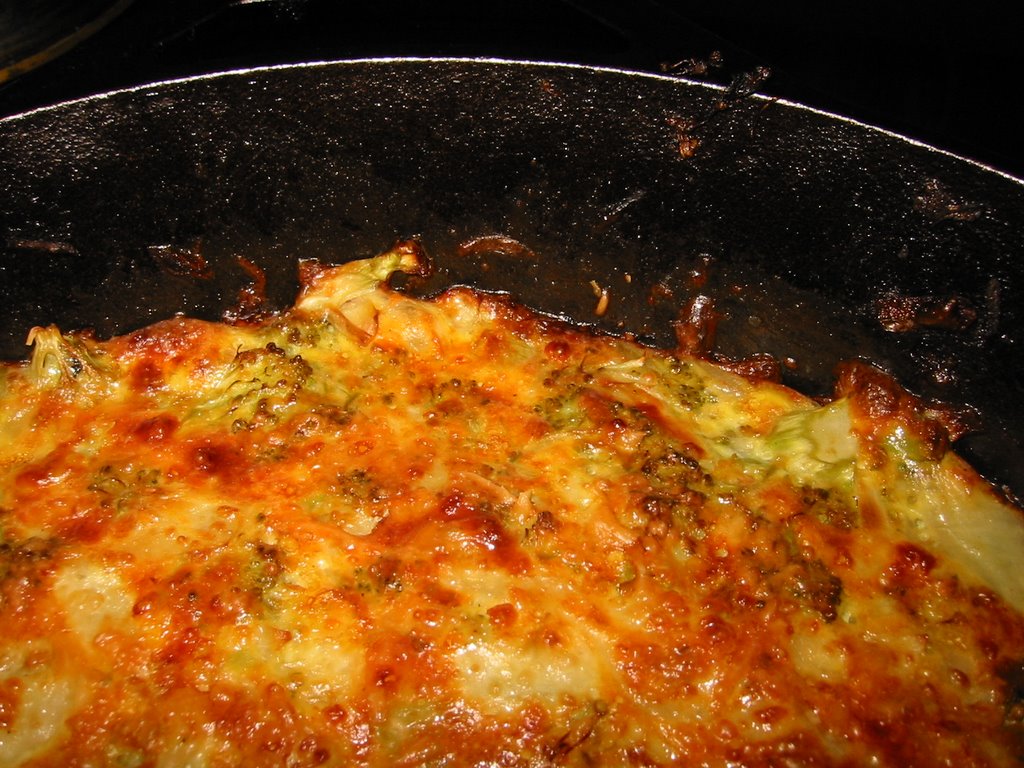
QUICHE


Crust:
Whole Wheat Pastry flour from Frankferd Farms Mill in Saxonburg, PA (255 miles, labeled as local at our food co-op)
Butter from Trickling Springs Creamery in Chambersburg, PA (87 miles)

Custard:
Eggs from Jehovah-Jireh Farm in Dickerson, MD (33 miles and in our county)
Milk from Trickling Springs Creamery

Cheese from Broom's Bloom Dairy in Bel Air, MD (62 miles)

Filling:
Zuchinni from our CSA Licking Creek Bend Farm in Needmore, PA (105 miles, with pick-up in our neighborhood at farmer Mike's house)
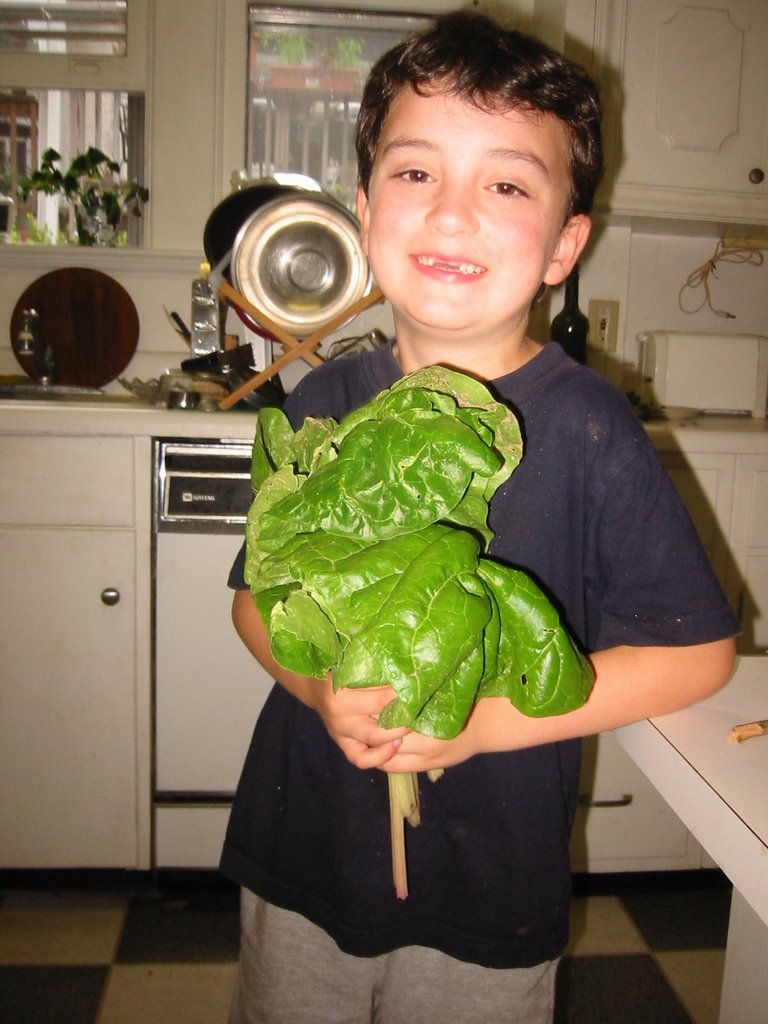
Swiss Chard from our own garden (0 miles)
Italian Parsley from our garden


Salad:
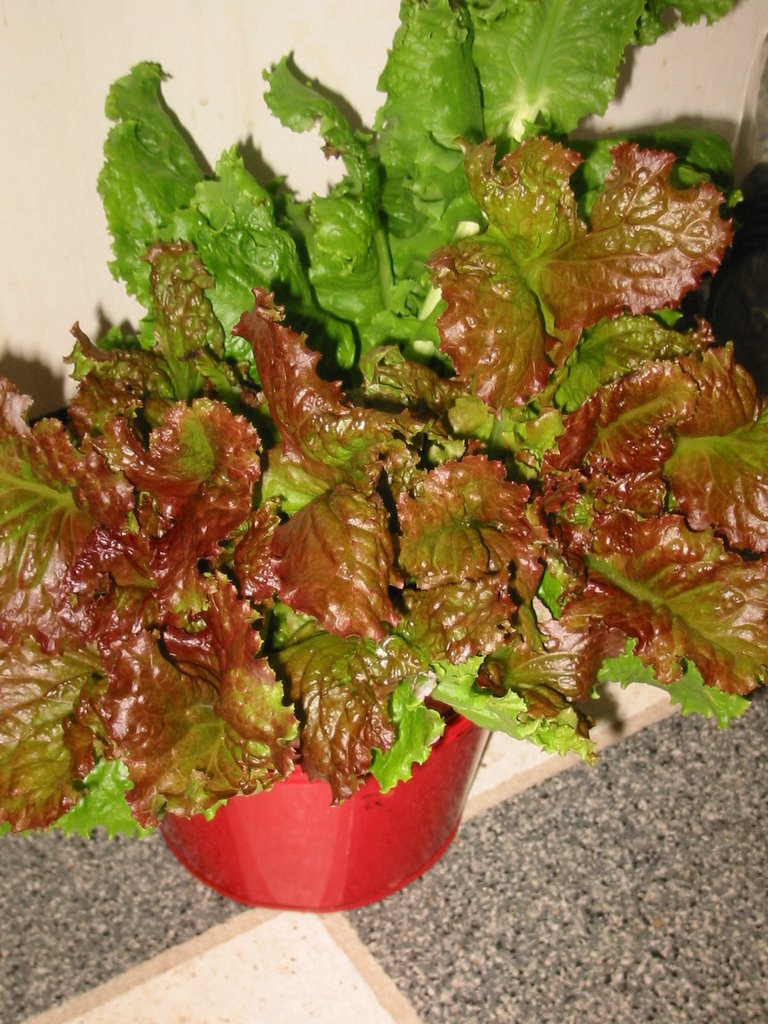
lettuce from our garden
tomatoes from Hummingbird Farms in Ridgely, MD (71 miles)
lemon verbena and opal basil from our garden


Dessert:
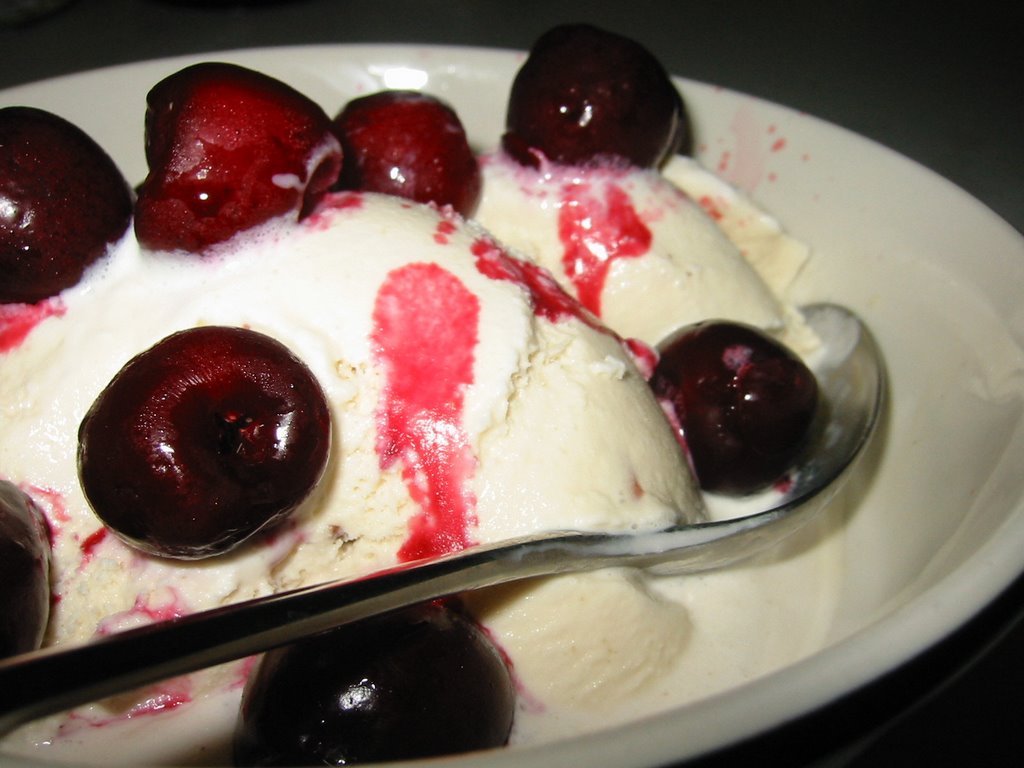
Cherries from our CSA
French Almond ice cream made by Island Style Ice Cream in Mount Ranier, MD (4 miles)


Tea:
made from spearmint, peppermint, lemon balm, and lemon verbena from our garden

Saturday, April 26, 2008

All-Local Seder

Last night we had a Passover seder with David's parents, in town for the Jewish holiday as well as for two family birthdays. For this meal, we decided to make it all locally grown, with only a couple of exceptions. And we couldn't get matzah locally and decided not to make it from scratch this year.

On the seder plate:


--Parsley and lettuce from our garden for the karpas and chazeret, symbols partly of spring
--Charoset made from local apples, walnuts, honey, and a little leftover sweet local wine. Since we could not source local raisins, we just left them out of the recipe and everything turned out just fine.
--Local horseradish for the maror.
--a local egg from our Amish dealer--beitzah
--a non-local beet to stand in the place of the z'roa, or shankbone.

* * *

For our all-local dinner, we had a gorgeous leg of lamb rubbed with garlic and rosemary. Many Ashkenazic Jews do not eat lamb on Passover, and many Sephardic Jews define it as the food of choice during Passover. We, like many American Jews, don't typically serve it the first night but enjoy it later in the holiday.


We also had baked potatoes with fresh sour cream as well as a stir-fried medley of onions, mushrooms, and rapini. (I've always called rapini by its other name, broccoli raab--but my father-in-law does not eat broccoli so it seemed the name switch was in order.)


For dessert: chocolate ice-cream from our Amish dairy supplier made with his milk, cream, and eggs, a neighbor's maple syrup, and non-local chocolate. What a sweet finish!

Sunday, November 19, 2006

Ravenous Raven Returns

It's been a bit more of challenge to eat locally now that our garden is hibernating and one of our CSAs has ended for the year. Fortunately the local farmer's market operates year round and our other CSA extended through November.

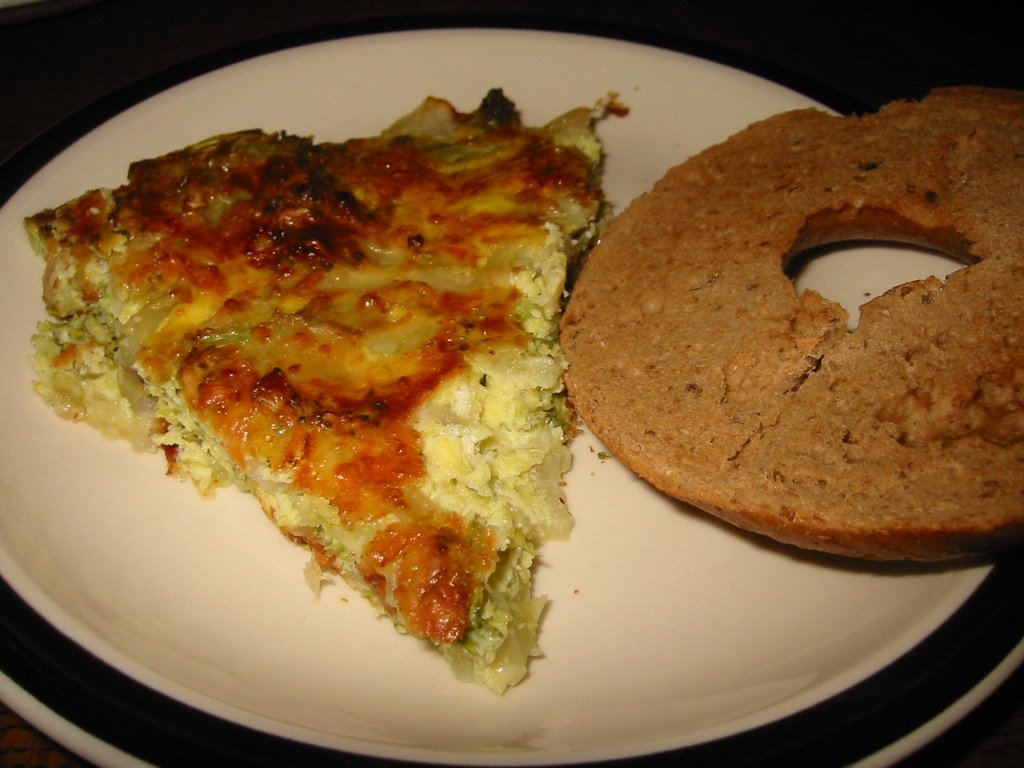
This weekend, with fond memories of One Local Summer, we cooked a late supper with local eggs, milk, cheese, onions, broccoli, and pepper. Local bagels, too.


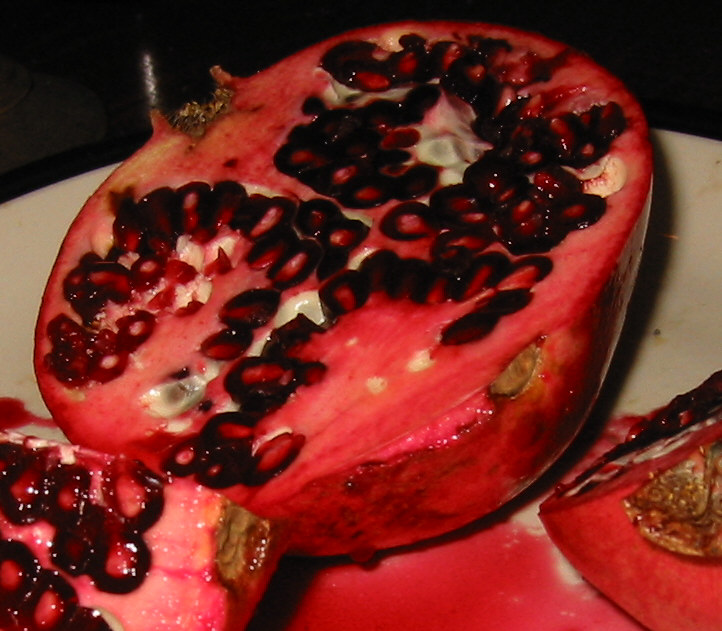
Dessert, however, was not local:

Thursday, June 12, 2008

Local, but Not From Here


There has been a very interesting discussion among the participants of One Local Summer about what defines a diet as local. Joy has a lovely post outlining some of the most central issues. For example, she discusses the conflict between buying nonlocal organic versus local nonorganic, nonlocal grassfed versus local grainfed, locally milled or packaged but not locally grown grains and beans, etc. I recommend her totally non-preachy exploration of these issues.

We are lucky enough to have access to several different all-local farmers markets, organic-style (meaning not always certified) produce from our CSA and several booths, and an organic-style pasture-fed farm source for meat and dairy products. We even can get maple sugar, maple syrup, honey, candles, and soap at our local farmers market.

Grain has not been nearly so easy. This year we bought some non-local bulk grain and a small hand-cranked grain mill--and what we produce from that we count in our local diet--but this is not necessarily something everybody else would allow.

We've also allowed ourselves--no, encouraged ourselves--to buy local foods in the places we travel. We've brought home rice and tea from South Carolina, grits and chow-chow from North Carolina, peanuts from Virginia, maple syrup and cheese from Vermont, current cordial from Quebec, and wine from the state of Washington. Are these local? They were when we bought them... Does that count? Well, it does for us.

* * *

Buying local foods supports one's local economy and helps it further develop. If the local food is from the places we are visiting, it still supports the local economy there. If our major issue is creating food security where we live, channeling money into other localities does not help at all--but obviously it is important to help others create food security where they are. So we feel pretty good about our purchases--in addition to enjoying one of the most tangible expressions of the culture of these other places: food.

Eating local also reduces the amount of petroleum products that have to be used up to bring us food from around the world which is out of season for us or that cannot be (or just isn't) grown here. When we bring home food from vacation or buy grain in bulk from a non-local source, we're adding in that petroleum, although perhaps there is an argument that the oil is not as high as it might be otherwise. I'm not sure about that, though.

One of the things I'm most drawn to is the goal of making my purchases from non-corporate sources, whether they are local or not. Although there are a few very large food companies that are located in our area, we typically don't count their food as truly local.

* * *

All these issues swim around in my head when I contemplate ordering online tepary beans. The beans, deeply local to the place from which I order, will be trucked and trained across the United States to my doorway. This is not in our local diet rules--but in a way much more profound than are the greenhouse tomatoes that show up in early June in Maryland, these beans are indeed local.


Tepary beans, once a staple in the Sonoran Desert and throughout Mesoamerica, are one of North America's oldest native crops and are now members of Slow Food USA's Ark of Taste. They have been cultivated for more than 8,000 years. You can read more about the history of this crop in Gary Paul Nabhan's wonderful Coming Home to Eat: The Pleasures and Politics of Local Foods and also his Gathering the Desert.

Tepary beans are considered by many to be the most drought-tolerant annual legume in the world. They are capable of producing a harvest of beans with a single rain in the harshest conditions. When irrigated, they produce higher yields only up to a certain point, after which excess moisture becomes a detriment and leads to overproduction of foliage and low bean production. In fact, it appears that moisture stress is necessary to trigger fruiting. As water shortages become a reality in many parts of the U.S. and around the world, teparies can play an important role in dryland agriculture. In fact, tepary cultivation is now taking place in dry areas of Africa and is being revived in southern Arizona where it was quite common as recently as seventy years ago.

The tepary bean has a higher protein content (23–30%) than common beans such as pinto, kidney, navy, and even soy. It also has higher levels of calcium, iron, magnesium, zinc, phosphorus, and potassium. While higher in all of these desired nutrients, tepary beans are lower in polyunsaturated fat and in the anti-enzymatic compounds which make common beans hard to digest.

Many native people in the Sonora Desert once depended on teparies along with other high fiber and mucilaginous foods, such as cactus and mesquite, as dietary staples. As these native people gradually abandoned their native foods and embraced a highly-processed "Western" diet, type-2 diabetes diagnoses soared. In some native populations, diabetes is fifteen times the national average. Tepary beans seem to be an ideal food for people prone to diabetes (or living with diabetes) since tepary bean sugars are released slowly and steadily. Many reservations in southern Arizona have re-embraced the tepary bean and now cultivate the beans for their own use, as well as for sale to support the community.

The teparies we have are from a community- based organization dedicated to creating cultural revitalization, community health and sustainable development within the Tohono O'odham Nation. The Tohono O'odham (formerly known as Papago) Nation sits in the heart of the Sonoran Desert, sixty miles west of Tucson, Arizona. Approximately 18,000 of the tribe's 24,000 members live on this main section of the Tohono O'odham Reservation.

Check out Heritage Foods USA for the sale of this product and other community-supporting foods.

Monday, May 21, 2007

Celebrating our CSA


Our CSA held a potluck muffin get-together to start the season. What a joy to be out at Red Wiggler's farm on such a beautiful day, meet some of the farm managers and workers (developmentally disabled adults), get to sample some of their tender new asparagus, and eat assorted delicious muffins.


Community Supported Agriculture (CSA) is a simple way both to support local farmers and provide your family with healthy, fresh, locally grown vegetables. In a CSA, individuals purchase a share of a farm’s coming crop. To become a shareholder, one pays up front for the entire season. In our area, the cost of a CSA share ranges from about $20 to $40 for each week of the harvest. CSA members receive a share of each week’s crop. Share size varies from farm to farm, usually providing enough vegetables each week for at least two adults.

Through a CSA, community members and farmers enter into a partnership. Pre-paid shares provide the farmer with the working capital needed to get the season started at a time when revenue might otherwise be slim. CSA members share the risks and rewards of the season with the farmer. Cool spring nights may lead to a bumper crop of strawberries and a slow start for the corn.

By working directly with the farmer, CSA members improve the sustainability of local farming both economically and environmentally. Most CSA farms practice sustainable non-corporate farming styles such as organic, "ecoganic," and biodynamic farming. By eating foods produced locally, CSA members further promote sustainability by cutting down on the distance their food needs to be transported.

CSAs build community as they encourage us to develop a relationship with the people who grow our food. Many CSAs hold pot-luck suppers, produce newsletters, and encourage members to visit the farm.

You can learn more about local CSAs at Local Harvest and Future Harvest.

Wednesday, March 03, 2010

One Small Change: Eating In Recap

Last month, my "one small change" was to eat dinner every night at home. The month was quite a success--more than I could have predicted.

There were a few rough spots, but not many. On one afternoon, I was craving take-out pizza as we came home from a day at the Smithsonian museums, but by dinnertime we were ready to spend the effort for a home-cooked meal. On the night where I could just not stand the idea of cooking at all, my partner David took over the complete preparations.

One evening, our 10yo son served us a lovely candlelight dinner. He played both chief cook and waiter. He was even the evening entertainment, serenading us with his violin. (He did not play the role of chief bottle-washer, unfortunately.)

We went to a party at friends' house one evening where we had vegan take-out from a locally-owned Middle Eastern restaurant in town. It was yummy and we did not feel like we were cheating at all. There is something about time with friends that changes all the rules.

On the last night of the month, I stayed home recovering from a stomach bug while my fiddling son and his Papa went to a local Scottish pub for a children's Irish music session. (As odd as it sounds, I suspect Irish and Scottish pubs in this country probably do a lot of crossing over....) Like eating at our friends' house, this meal seemed right, even though it technically broke the rules.

So what is it that made these seem like times to bend our self-imposed regulations? I think it is because both times we were after something special--not just the default position. A special event, a time of togetherness, a celebration--these are things I do not want to miss as time goes forward. Even a special meal--be it a cuisine I've never tasted, or a meal at a new downtown restaurant in our little inner suburb, or a feast at an organic or local restaurant--could certainly count. We have no intention of continuing this "one small change" in its extremity--but it has set us up to be more deliberate about our choices.

Of course, when I began to eat again after my stomach bug, it was March--and we immediately went out to my favorite Pho soup restaurant. (David chose a vegan dish, mostly to avoid what is probably CAFO meat. Sometimes, especially in the face of Pho, he is simply a better person than I am.)

I knew I had soul-mates on this eating-in journey, but I had no idea how many I would find. As I mentioned before, my initial inspiration came from The Conscious Shopper--but during the course of February, I also discovered Cathy Erway's blog and also her brand-new book The Art of Eating In: How I Learned to Stop Spending and Love the Stove. To celebrate the release of the book, Huffington post sponsored The Week of Eating In--which drew an enormous number of other folks to the same challenge I was setting for myself. And what I thought might be a challenge that could isolate us introduced us to a whole new online community!

Tomorrow: One Small Change for March.

Friday, April 20, 2007

Ideas for Earth Day (Sunday)

As we prepare for Earth Day, a festival recognizing nature’s bounty and our responsibility to protect it, our thoughts turn to how food can enrich our understanding of the day, enliven our observance, and stimulate us to action.


Start the day with an organic breakfast

Earth Day was begun to remind us that we can not continue to deplete and poison our environment. Organic farming offers us natural foods bursting with flavor and nutrition, grown without pesticides, herbicides, genetic modification, or artificial fertilizers.

Play in your garden

Earth Day is a great time for preparing the soil, cleaning your tools, building a mulch bin and beginning to plant your vegetable garden. If you don’t have a yard, consider planting an herb garden in a window box, preparing container gardens for your front steps, or making friends with a gardening neighbor.

Make an Earth Day centerpiece

Collect twigs, rocks, azalea boughs, moss, tulips and other spring flowers, and new leaves and create a natural centerpiece for your table.

Have a picnic lunch with locally-produced foods

With a quick trip to a local co-op or farmers’ market, you can pick up all the supplies you’ll need for an Earth Day picnic using produce grown locally. Buying local supports sustainable agriculture by members of our community, cuts down on fuel needlessly burned up transporting our food, and connects us with the seasons and our own environment.

Visit a local farm

Among the many ways to celebrate Earth Day, one of our favorites is visiting a farm. Call ahead and arrange to meet the farmers and take a walk in the fields and orchards. Take your picnic with you and consider buying a homemade pie for dessert.

Join Slow Food USA

We’re not the only ones who like to celebrate good food. As part of the international Slow Food movement, the mission of Slow Food USA is to support and celebrate the food traditions of North America. The non-profit organization values sustainability, cultural diversity, pleasure and quality in everyday eating experiences, inclusiveness, authenticity, and integrity.

Host a neighborhood Earth Day potluck

Earth Day helps us remember that we are all in this together. It’s a great time to get to know your neighbors. Ask everyone to bring their favorite ways of enjoying earth’s bounty. In the spirit of the day, try using reusable utensils, plates, and napkins rather than disposables.

Enrich your meal with a poem, reading, or song

Before, during, or after your celebratory dinner, invite guests to share poems, environmental readings, and earth-themed songs with your family and friends. Many cultures have rich meal-time traditions; explore your own culture or learn a new one. We’re thinking of incorporating some Jewish Tu B’Shevat rituals into our Earth Day celebration. Also consider using these discussion starters.

Enjoy Fair Trade chocolate and coffee for dessert

The Fair Trade label allows consumers to purchase items produced where workers labor in safe conditions, are paid fair wages, and producers have committed to sustainable practices that are mindful of the environment. What a sweet way to end your Earth Day celebration.


May this Earth Day renew our commitment to building a sustainable world, strengthening our communities, and nurturing our families.


* * *


A True Earth Day Feast

(Put together by Son)


“They began with rich brown loam that looked almost exactly like chocolate…. When the rich loam had taken the edge of their hunger, the trees turned to an earth of the kind you see in Somerset, which is almost pink. They said it was lighter and sweeter. At the cheese stage they had a chalky soil, and then went on to delicate confections of the finest gravel powdered with choice silver sand. …For the most part they quenched their thirst with deep drafts of mingled dew and rain flavored with forest flowers and the airy taste of the thinnest clouds.”

from Prince Caspian by C.S. Lewis


If you would like to have your own Earth Day Feast and you don’t eat dirt as the trees do, try this recipe. This dish is made with many ingredients that grow in the earth. It’s a wonderful meal and I hope you enjoy it!

Earth Day Earth Stew

(Senegalese Mafé)

2 large onions

2 sweet potatoes

4 turnips

4 medium potatoes

2 large carrots

½ small cabbage

2 large tomatoes

1 bunch fresh leafy greens

2 chili peppers or 1 tsp cayenne pepper

2 cups tomato sauce

¾ cups peanut butter

Finely chop onions. Chop sweet potatoes, turnips, potatoes, carrots and tomatoes into bite size chunks and coarsely shred the cabbage and greens. Brown onions in four tablespoons of peanut oil in a large skillet or stew pot. Add the vegetables one at a time, sautéing each for about a minute before adding the next.

Stir in tomato sauce along with a cup of water, reduce heat and simmer until vegetables are tender. Spoon out about a half cup of hot broth and mix it with the peanut butter to make a smooth paste. Add peanut butter paste to the pot and simmer for another 10-15 minutes. Serve over rice.


Sunday, July 15, 2007

One Local Summer #3

Summer Supper

It has been too hot to contemplate eating much of anything--much less cooking an elaborate meal. All that seems appealing some days is salad. Today, though, we managed to have a low-heat culinary adventure: making goat cheese!

After reading Barbara Kingsolver's Animal, Vegetable, Miracle, we were inspired to try out a lot of traditional processing--from planting a larger garden, to renewed commitment to canning, to dehydrating, and to cheesemaking.

On her advice we checked out Home Cheese Making and got to work. First we tried mysost, a Norwegian whey cheese--which turned out extremely well. Watching the last episode of Frontier House sold us on trying goat cheese next.


The process is amazingly simple. Heat the milk slightly, add the cultures from the little cultures pack (or you can even use vinegar or lemon juice!), and let it sit overnight. Drain. Season and eat. Really--it is that easy. And the results? Awfully tasty.

For this week's supper in honor of One Local Summer, we ate our own goat cheese (made from local goat's milk), mixed with a pinch of salt and a lot of chives from our garden. We spread it on top of non-local French bread along with garden cucumbers. Cool and delicious!


We finished the meal with clafouti using Julia Child's basic recipe but replacing the sugar with local maple sugar bought at our farmer's market and the wheat flour with locally-milled rye flour sold at our food co-op. The milk and eggs came from our dairy provider and the cherries from the farmer's market.


Next experiment: making mozzarella!

Sunday, November 29, 2009

Local Thanksgiving: Dark Days Challenge

We had a wonderfully quiet, almost 100% local Thanksgiving this year--following on the heels of a combination of travel to various conferences by both the adults in the family, work crises that took a lot of time and emotion, and lots of random busyness and its attending crankiness. It was lovely to take a day off just to cook, play games, and eat.

We have a tradition of splitting our Thanksgiving feast into two meals. This plan works well for both cooks and eaters.

For lunch, we made a thick apple-butternut squash soup enriched with local onion, cream, and hot pepper as well as some non-local spices such as ginger and cumin.

soup

David fried up some fritters made with wild rice and frozen corn. The rice, while not local, is sold by the sustainable White Earth Land Recovery Project, an American Indian organization dedicated "to preserving and restoring traditional practices of sound land stewardship, language fluency, community development, and strengthening our spiritual and cultural heritage."

native fritters 2

It seemed especially fitting to recognize the importance on native harvests--like wild rice but also corn and winter squash--as well as American Indian cooking traditions. The recipe for the fritters can be found in the beautiful new book, Foods of the Americas: Native Recipes and Traditions.

* * *

At suppertime, we had our main meal of local turkey, pickled lemon cukes, pickled garlicky green beans...

turkey with pickles in bowls

...roasted Brussels sprouts, mashed potatoes-and-turnips, and cherry jam (instead of cranberries--which we could not find locally).  The dressing was made from cornbread (the gorgeous Indian corn we grew in our backyard!), assorted winter greens from our backyard garden, CSA carrots, sage and rosemary from our herb plot, local eggs, lots of local mushrooms--plus local oysters!  We ran into them at the very last moment--and it was absolutely kismet.  Oyster stuffing may become a tradition in our family.

thanksgiving table

The meal was served with a local white wine. When David first handed it to me, I misread the variety and honestly thought it said it was Vinegar. Luckily, it was a delicious, perfect-with-turkey Viognier.

To end the feast, David made a not-pumpkin pie using the recipe on the back of canned pumpkin. He made a few exceptions: first, he used pureed butternut squash and carnival squash which he baked himself. Second, he replaced the canned evaporated milk with a mix of milk and cream from our Amish dairy supplier.

pie

The pie was fabulous--a little yellower than pumpkin pie but sweet, light, and delicate. We served it warm with whipped cream.

We enjoyed the rest of the evening in front of a fire in the fireplace, sipping our wine and reconnecting.

Friday, June 13, 2008

The Life of the Individual

Partially inspired by Green Bean Dreams' Bookworm Challenge, I've had a great time reading books about families who made the move from one way of life--one that only taxed their brains--to a more sustainable one that put their beliefs into practice.

There are a lot of open paths. Path to Freedom, the granddaddy of homesteading blogs, shows how to do it in an urban setting. Crunchy and Melinda do it in Seattle. Colin and his family are at it in a high-rise in Manhattan. Madeline shows us how when you live in the boonies outside a big city. Sharon and Greenpa teach us what to do in the country. You can do it in the suburbs. You can even do it in the desert. And there are so many more ways!

But for those who want to curl up with a good book rather than a laptop, I have a few to recommend:

Logan Ward's See You in a Hundred Years: Four Seasons in Forgotten America was a surprisingly wonderful read. I had not heard of the book before I randomly stumbled across it, and it is published by a relatively little-known press. Logan and his wife and young child move from New York City to a farm in a rural area of Virgina. They decide to spend one year living with only the tools available to a person one hundred years ago. While they are a very modern family with very modern issues sometimes, they go through daily life growing their own food, putting it up for the winter, learning to travel by horse and bicycle, living without electricity, mass-market toothpaste, and running water. What they make themselves comes to the fore--including the community they find themselves creating in their rural town. One of the most interesting sections of the book is how they deal with the tragedy of 9/11, which occurs during their 1900 year. Highly recommended as thoughtful but light reading. Perfect for an afternoon in the shade.

A less appealing but equally interesting book is A Reasonable Life: Toward a Simpler, Secure, More Humane Existence by Ferenc Mate. The author, in a very edgy funny-if-you-are-not-too-sensitive attack on modernity and all of us who make any compromises with it, engages some fascinating issues but offers answers that sound awfully off-putting. For example, I am probably as anti-television as he is (sorry, Carrie!), but being bombarded with writing like "Open an upstairs window...and throw the heinous sonovabitch as far as your arms let you!" makes me want to rebel and go buy one. Mate has a lot of interesting insights--and if you handle this style better than I do, let me know what you think. I know I am not really being fair to him, given that I've heard others say that this book has transformed their lives.

I was similarly unimpressed with Extreme Simplicity: Homesteading in the City. Although the authors' tone is respectful throughout, they wind up sounding a bit self-important and preachy. I don't exactly blame them: their task writing this book is a really difficult one. When authors set out to show you how to do better, it is often difficult to take. On the other hand, when authors detail their own path--especially if it is a pretty bumpy path--toward trying to make a more authentic life, it can be utterly charming. This book, much to my disappointment, comes across as an example of the first kind of book. But it is filled with a lot of very interesting ideas to transform your life without moving to a farm or something. The choices open to them in southern California are radically different from what I have in the DC area, but many ideas are applicable nonetheless. Glad I read it, but don't plan your vacation reading around this one.

We also reread parts--the "spring planting" chapters--of Barbara Kingsolver's fabulous Animal, Vegetable, Miracle: A Year of Food Life last month, too--always a joy and an inspiration. Kingsolver is an elegant writer with a wickedly funny edge sometimes, and even when she is talking about how amazing her life is, she sounds real and down-to-earth. Her partner writes short political essays scattered throughout, and her daughter writes up recipes and reminiscences. This book is absolutely a must-read, and a must-read-again.

Another lovely book I briefly revisited this season is Plenty: One Man, One Woman, and a Raucous Year of Eating Locally. The authors (from British Columbia) are much stricter in their eat-local rules than Kingsolver is. Where she uses eating local as an entree (sorry) into the connection between culture and agriculture, they explore more precisely what the consequences as well as the joys of a local economy are. Well written and very funny.

Up soon on my nightstand: Michael Pollan's pre-Omnivore book, Second Nature: A Gardener's Education. Has anyone read it? Any reviews? Or does anyone have any other book recommendations for me?

LinkWithin

Related Posts with Thumbnails